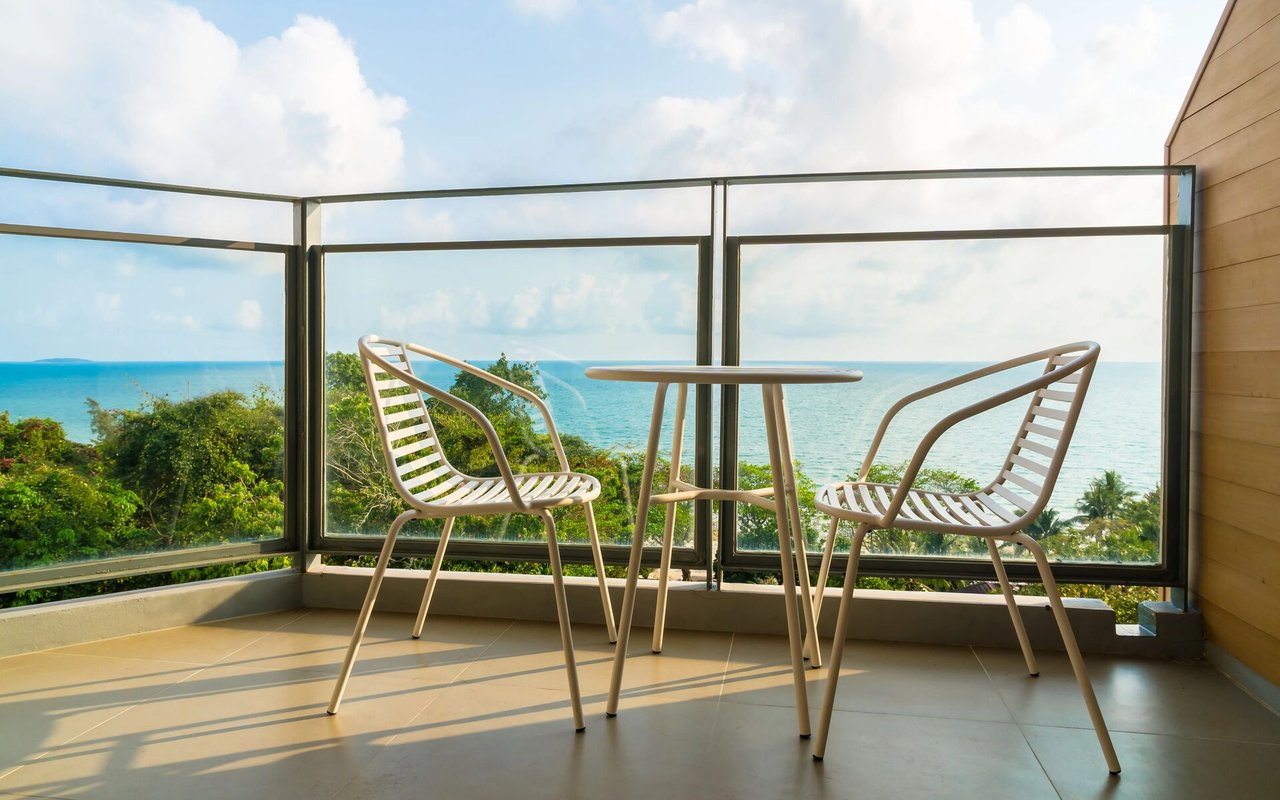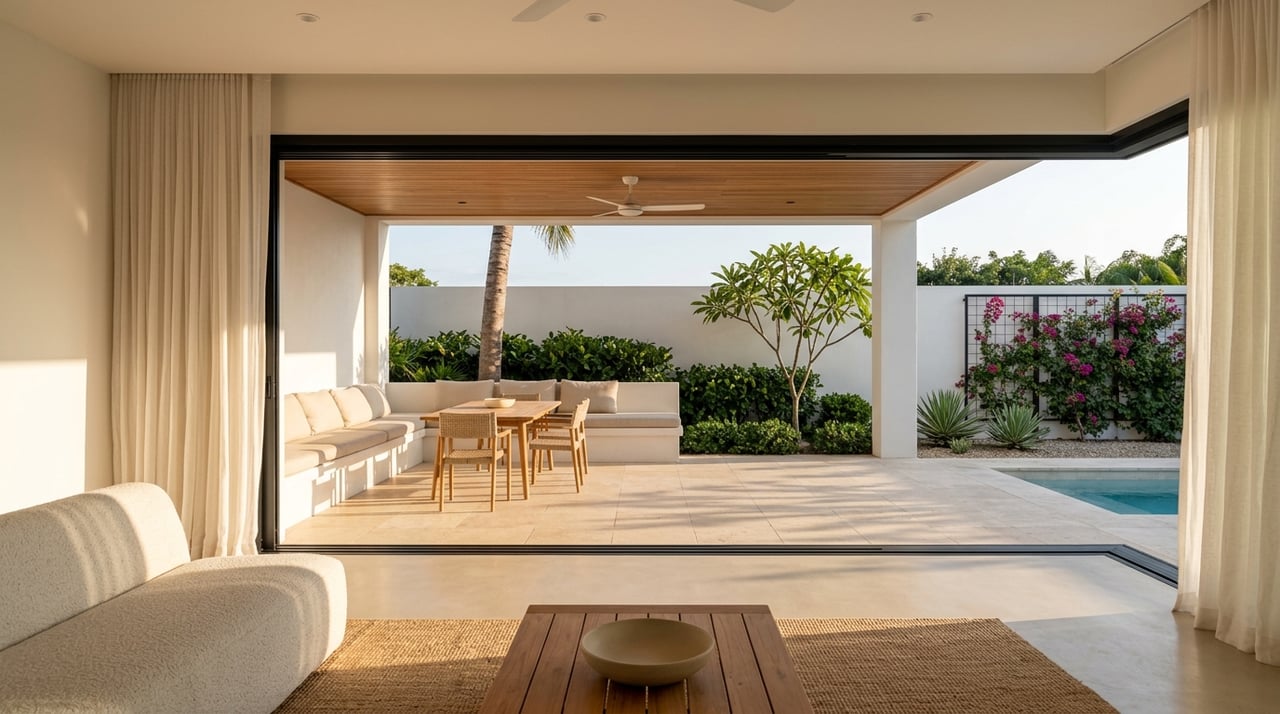
If you’re dreaming about life near the water, Cabo Rojo is one of those places that can feel easy to picture and harder to define in just one sentence. You might be looking for beach access, a calmer day-to-day routine, or a home base that still keeps you close to restaurants, local commerce, and nature. The good news is that Cabo Rojo offers a little of all three, and the experience can vary depending on where you land. Let’s dive in.
Cabo Rojo at a Glance
Cabo Rojo sits on Puerto Rico’s southwest coast, bordered by Mayagüez and Hormigueros to the north and the Caribbean to the south. According to PR.gov, the municipality spans 70.4 square miles, and Census QuickFacts reports a 2020 population of 47,158.
What that means for everyday life is simple: Cabo Rojo is a coastal municipality where beach living, nature, and local services are closely connected. Instead of feeling like the shoreline is separate from daily life, many parts of Cabo Rojo blend ocean access with residential areas, dining, and local activity.
Cabo Rojo Feels Different by Area
One of the best ways to understand Cabo Rojo is to think in contrasts. Some parts feel lively and social, especially on weekends, while others feel more residential, scenic, and low-key.
That variety is a big reason people are drawn to the area. You can choose a setting that fits your lifestyle, whether you want evening energy, access to seafood restaurants, or a quieter home environment close to nature.
Boquerón Brings the Most Activity
If you want the liveliest side of Cabo Rojo, Boquerón is usually the first place people think about. Discover Puerto Rico describes El Poblado de Boquerón as one of the island’s most popular weekend destinations, with a mix of fishing village character and promenade-style activity.
You’ll find restaurants, bars, local stores, nightlife, marina access, and a strong day-to-night rhythm there. For you, that can mean more walkable evening activity and a social atmosphere that feels active without leaving Cabo Rojo.
Joyuda and Puerto Real Add Food Culture
Joyuda and Puerto Real offer a different kind of energy. The municipality highlights Joyuda as the Milla de Oro del Buen Comer, known for its seafood restaurants, while Puerto Real is described as the largest fishing village in Puerto Rico, with fresh seafood, pescaderías, and the annual Fiesta del Pescao in March.
These areas help shape Cabo Rojo’s identity as more than a beach destination. If food, waterfront activity, and a strong local rhythm matter to you, these zones show how everyday life here can feel connected to working waterfront culture and coastal dining.
Miradero Offers a Useful Middle Ground
Miradero can be helpful to know if you want balance. Municipal map materials place Miradero near sectors connected to Puerto Real and part of Joyuda, which makes it feel like a bridge between more residential stretches and the active seafood-and-beach corridor.
In practical terms, that can mean you are not right in the busiest pocket, but you are still close to it. For many buyers, that mix is appealing because it supports a calmer home base with convenient access to restaurants, beaches, and day-to-day errands.
Quieter Barrios Feel More Laid-Back
If you picture Cabo Rojo as peaceful and scenic, the municipality’s barrio descriptions point to places like Llanos Costa, Llanos Tuna, Monte Grande, and Bajura. These areas are associated with nature, flatter agricultural land, wetlands, elevated views, or more panoramic settings depending on the specific barrio.
For you, the takeaway is that Cabo Rojo is not only about the beach promenade atmosphere. There are also quieter residential pockets where the pace can feel more relaxed and the surroundings more open.
Beach Life Is a Real Part of Daily Living
Cabo Rojo has a strong beach identity even by Puerto Rico standards. The municipality says it has 18 beaches and 45 kilometers of coastline, with options that range from the Balneario de Boquerón to La Playuela, Buyé, and El Combate.
That kind of access shapes daily life in a real way. You are not just visiting the coast occasionally. In many parts of Cabo Rojo, beach time, sunset stops, and water views can become part of your regular routine.
Beaches for Different Moods
Each beach area offers a slightly different experience. Balneario de Boquerón is known for calm water and family-oriented amenities, including gazebos, playgrounds, and basketball courts, according to Discover Puerto Rico.
El Combate is promoted by the municipality as a popular spot for water sports and sits near the lighthouse and salt flats. Buyé is often associated with easy beach days, while La Playuela is better known for a more natural setting.
Nature Is Everywhere in Cabo Rojo
Living in Cabo Rojo is not only about sand and restaurants. Nature is a major part of the area’s identity, and that gives the municipality a more grounded, outdoors-oriented feel.
The Cabo Rojo National Wildlife Refuge is a strong example. The U.S. Fish & Wildlife Service says the refuge was established in 1974, now covers 1,836 acres, and includes three hiking trails through mangroves, subtropical dry forest, and pink hypersaline lagoons.
Outdoor Living Goes Beyond the Beach
If you enjoy getting outside, Cabo Rojo gives you more than shoreline access. Discover Puerto Rico highlights Los Morrillos Lighthouse, the salt flats, and Puente de Piedra as core local outings.
The municipal Boquerón refuge page also notes that visitors can bike, walk, and take part in educational or recreational visits. So if your ideal home base includes room for outdoor routines, Cabo Rojo supports that lifestyle well.
Food and Weekend Energy Stand Out
One reason Cabo Rojo feels lived-in rather than purely visitor-focused is its food culture. Discover Puerto Rico highlights the restaurants, bars, and local stores in El Poblado de Boquerón and notes that live music is common on weekends.
Joyuda strengthens that identity with its seafood corridor and sunset-oriented dining. Puerto Real adds another layer through its seafood market activity and annual Fiesta del Pescao.
Events Add to the Local Rhythm
Cabo Rojo also has annual events that bring added energy to the area. Discover Puerto Rico describes Orgullo Boquerón as the Caribbean’s largest LGBTQ+ festival, and the municipality calendar lists Festival del Pescao in March.
For you, that means Cabo Rojo can feel calm in some moments and highly active in others. The area has a social rhythm that goes beyond tourism and reflects recurring local traditions and gatherings.
Everyday Practicality Matters Too
Lifestyle matters, but so does convenience. Cabo Rojo offers more than beaches and restaurants, and that is important if you are thinking about living there full-time or part-time.
A useful example is local healthcare access. In October 2025, Puerto Rico’s Department of Health said the Hospital de Cabo Rojo would remain open and that services would continue during an ownership transition, which adds practical context for people considering the area as a home base.
What Housing Context Looks Like
Municipality-wide housing numbers can help set expectations, even though they do not describe every micro-area or coastal pocket. Census QuickFacts shows an owner-occupied housing rate of 75.6%, a median owner value of $124,800, a median gross rent of $590, and a median household income of $26,408 in 2020-2024 estimates.
The key is to treat those numbers as broad context, not as a direct guide to every neighborhood or property type. In a place like Cabo Rojo, values and lifestyle can shift a lot depending on whether you are near Boquerón, Joyuda, Miradero, or a quieter inland barrio.
Who Cabo Rojo Tends to Fit Best
Cabo Rojo can appeal to several types of buyers because it offers more than one version of coastal living. If you want activity, dining, and beach access, you may be drawn to the areas around Boquerón, Joyuda, or El Combate.
If you want a more relaxed home base, barrios with a quieter feel may be a better match. And if you are buying from off-island, Cabo Rojo often stands out because it combines a strong lifestyle identity with a range of residential settings.
Cabo Rojo Works Well for Buyers Seeking Balance
For many people, the biggest draw is balance. You can enjoy beach culture, outdoor recreation, and a well-known food scene without giving up the option of a more residential day-to-day setting.
That contrast is what makes Cabo Rojo easy to love and worth exploring carefully. The right fit often comes down to how close you want to be to the busiest coastal corridors versus how much privacy, quiet, or nature access you want at home.
If you’re thinking about buying or selling in Cabo Rojo, having a local guide can make it much easier to compare areas like Miradero, Joyuda, Boquerón, and other nearby pockets with clarity. For personalized guidance and a strategic, high-touch approach, connect with Desiree Lopez.
FAQs
What is daily life like in Cabo Rojo, Puerto Rico?
- Daily life in Cabo Rojo can feel beach-centered, outdoorsy, and food-focused, with some areas offering lively weekend activity and others offering a quieter residential pace.
What is Miradero in Cabo Rojo like for homebuyers?
- Miradero is useful to think of as a middle-ground area, with a more residential feel in some stretches while still being close to Puerto Real, Joyuda, and the active coastal corridor.
What part of Cabo Rojo feels most lively?
- Boquerón is the clearest example of Cabo Rojo’s livelier side, thanks to its restaurants, bars, local stores, marina access, and weekend nightlife.
What part of Cabo Rojo feels quieter?
- Municipal descriptions point to areas like Llanos Costa, Llanos Tuna, Monte Grande, and Bajura as examples of lower-key settings tied to nature, views, or more open surroundings.
Does Cabo Rojo have good beach access?
- Yes. The municipality says Cabo Rojo has 18 beaches and 45 kilometers of coastline, with well-known spots including Balneario de Boquerón, Buyé, La Playuela, and El Combate.
Does Cabo Rojo offer outdoor activities beyond the beach?
- Yes. The Cabo Rojo National Wildlife Refuge includes hiking trails through mangroves, dry forest, and pink lagoons, and the area also includes outings like Los Morrillos Lighthouse, the salt flats, and Puente de Piedra.
Is Cabo Rojo a good fit for full-time living or part-time living?
- Cabo Rojo can work for either, especially if you want a coastal setting with a mix of residential areas, dining, recreation, and practical services in the municipality.